Where Service Dog Access Is Limited: Understanding ADA Exceptions
Service dogs are federally protected under the Americans with Disabilities Act (ADA). As task-trained “medical equipment” for people with disabilities, these highly trained animals have the legal right to accompany their handlers in most public spaces. However, there are a few service dog access rules that outline important exceptions.
Understanding why certain places may legally restrict service dog access can help you better navigate these situations.
1. Certain Wildlife Areas
Under the ADA, service dogs can be excluded if their presence would “fundamentally alter” a service or program or present safety concerns. For example, while service dogs are generally allowed in zoos and aquariums, there are specific sections of those places where they may be restricted, typically areas where the animals are either natural prey or predators of dogs. In those cases, a dog’s presence could disrupt or distress the animals, causing the animals on display to become agitated. To keep the animals in these areas safe, the zoos, aquariums, or other wildlife centers are legally allowed to keep service dogs away from those areas.
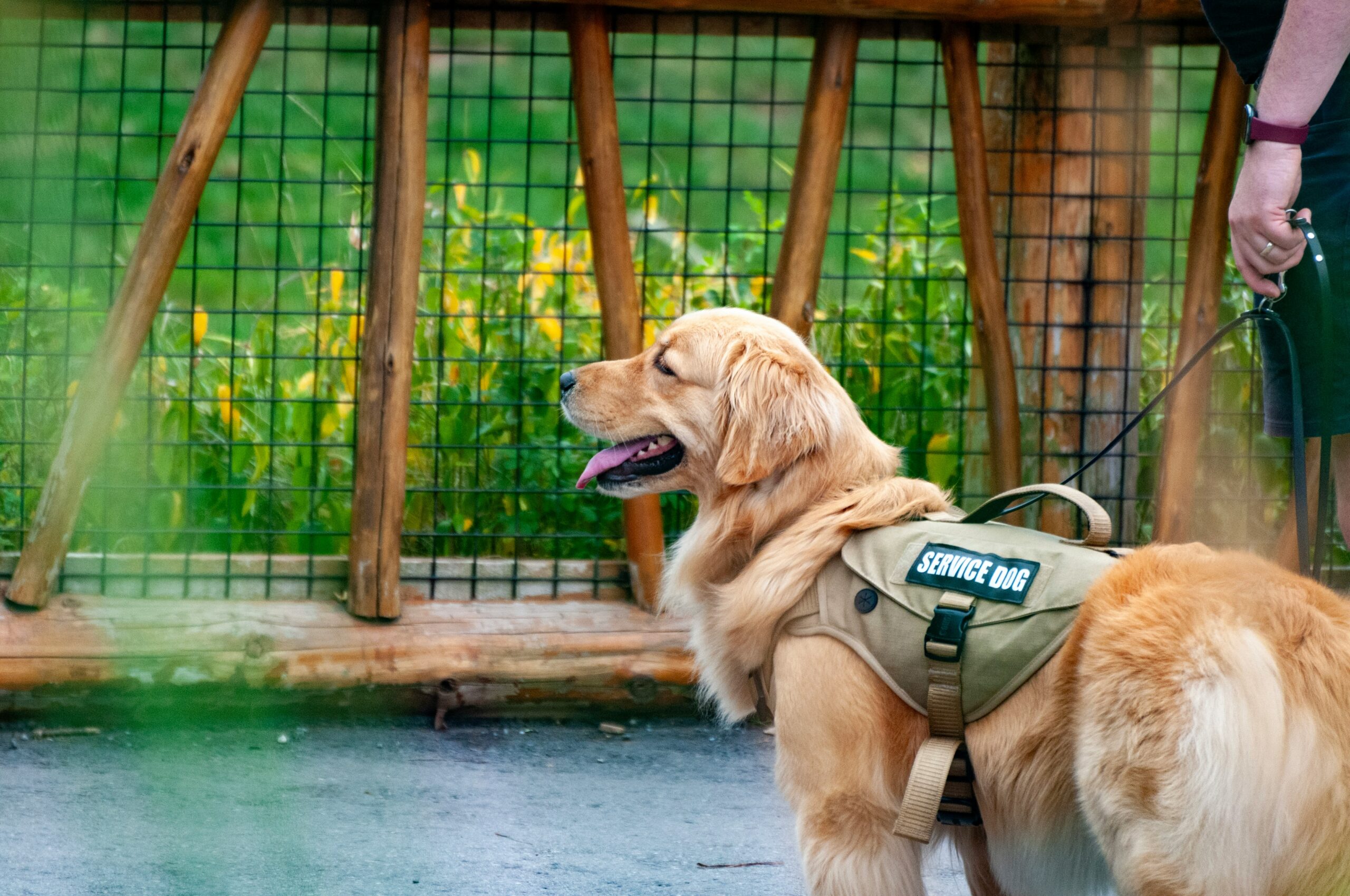
For similar reasons, service dogs may be restricted from protected nesting sites on beaches, areas of state or national parks with sensitive wildlife habitats, and animal sanctuaries.
3. Places of Worship
Religious institutions are exempt from the ADA. This means churches, temples, synagogues, mosques, and other places of worship are not legally required to accommodate service dogs. Many do allow them, but it’s not a guarantee.
Service dog handlers who plan to attend a service, meeting, or event at a place of worship should reach out in advance and ask about the institution’s service dog policy, because they are within their legal right to say no.
2. Pools
Service dogs are allowed on pool decks and in surrounding areas open to the public. However, the ADA does not override public health regulations designed to keep swimming areas sanitary. This means that service dogs are not allowed in the water itself. This applies to public pools, hotels, gyms, fitness centers, and water parks.
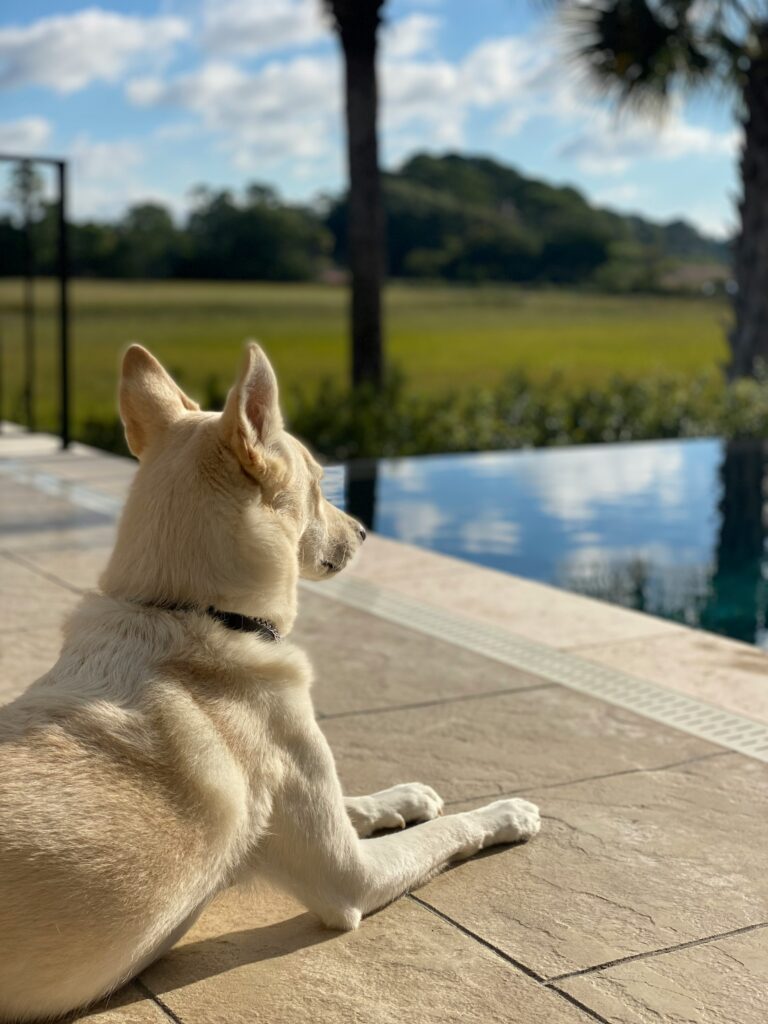
Photo by Courtney Pickens on Unsplash
4. Ambulances: Space May Limit Access
While a service dog is generally allowed to accompany their handler in an ambulance, there’s one key exception: space.
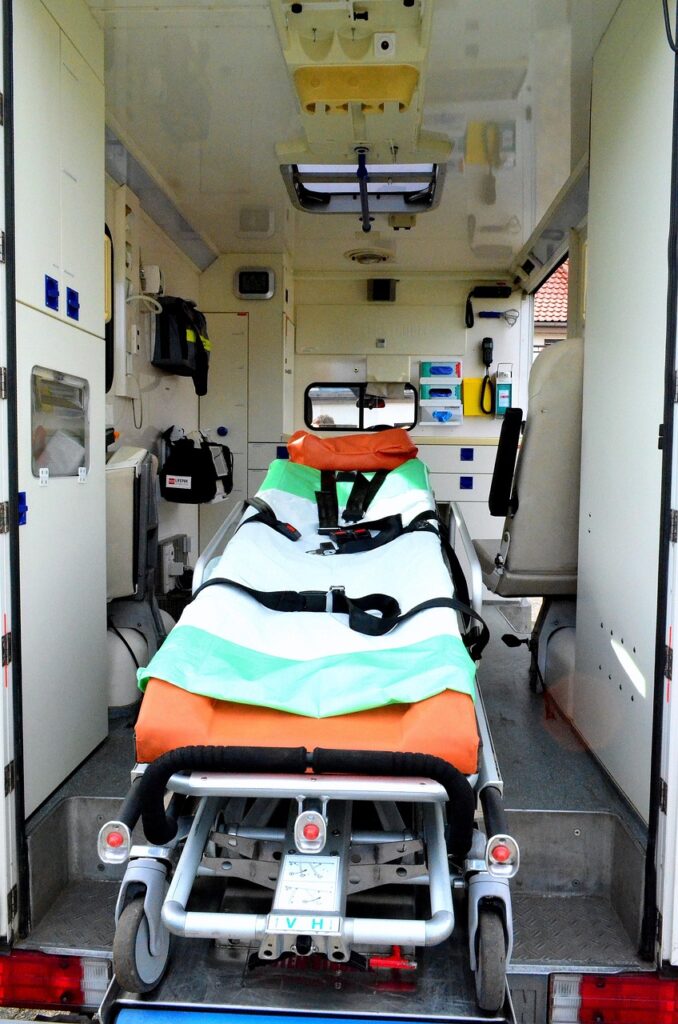
If the ambulance is too cramped to safely accommodate both medical staff and a service dog (especially during active treatment), the ADA does not require the service dog to be transported with the handler. However, in those cases, ambulance staff must make reasonable accommodations to ensure the dog is safely reunited with the handler at the hospital, such as by arranging for a second ambulance to transport the dog.
It’s not a denial of access, but a logistical necessity for emergency care. Still, knowing your rights can help you or your caregiver to advocate for your dog in the moment.
5. Airlines
Air travel is not covered by the ADA, but by the Air Carrier Access Act (ACAA), which has its own set of rules for service dogs.
The most important thing to know is that airlines can require specific documentation in advance—namely, the Department of Transportation (DOT) Service Animal Air Transportation Form. If a service dog handler does not submit this form ahead of their flight, airlines are legally allowed to deny access to the service dog.
More Guidance on Service Dog Access Rules
Though most places that serve the public must allow service dogs just like any other medical equipment, there are some exceptions. It’s important to understand why these limits exist; understanding your rights will help keep you, your dog, and those around you safe. You can find even more guidance on these limitations and other service dog access rules on the ADA’s Frequently Asked Questions page.